
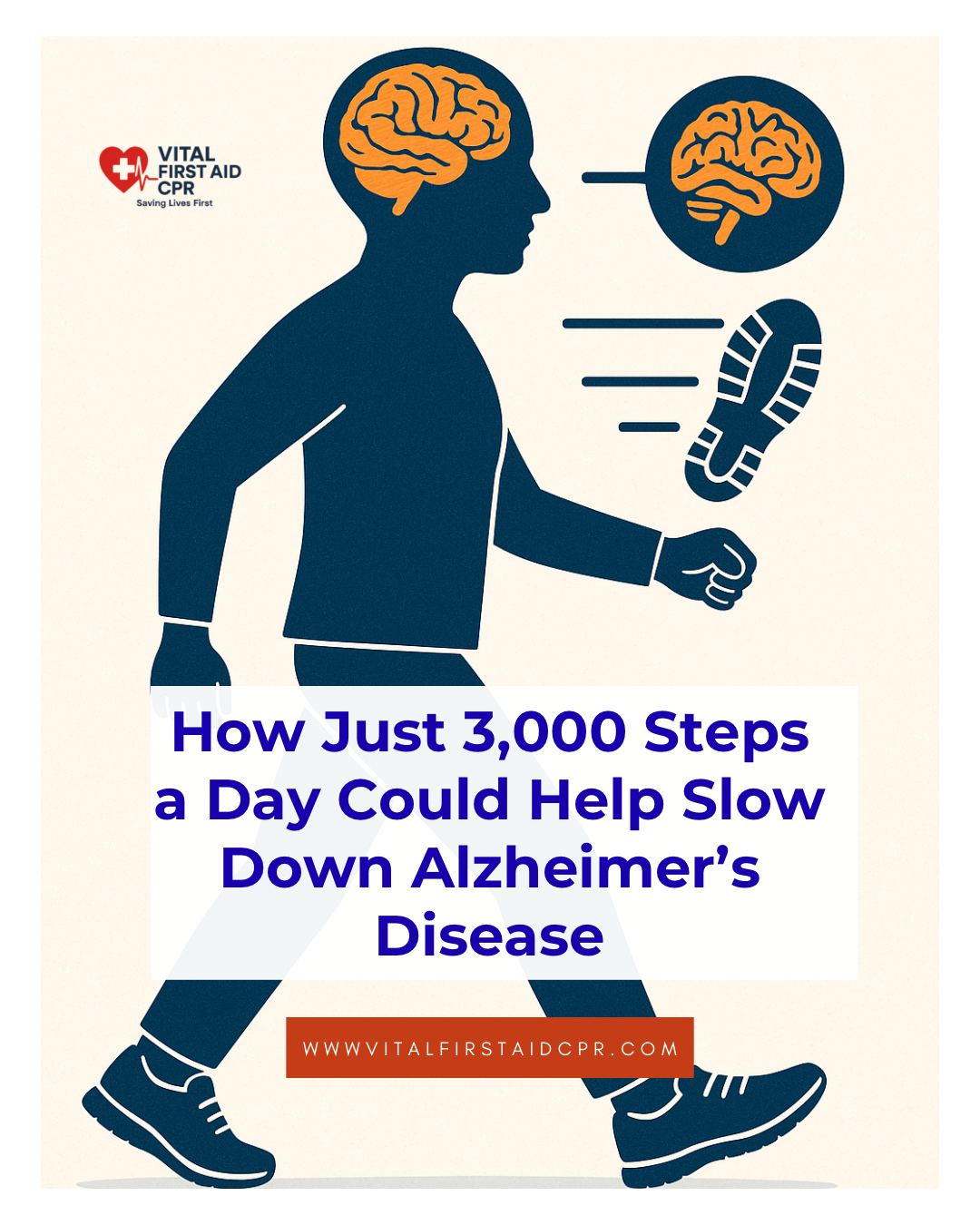
How Just 3,000 Steps a Day Could Help Slow Down Alzheimer’s Disease
A new study in Nature Medicine reveals that walking as little as 3,000 steps a day may help slow Alzheimer’s progression by reducing harmful brain changes. Learn how small, consistent movement can protect your brain and why every step truly counts.




Canada’s First Non-Beating Heart Transplant: How It Could Transform Organ Donation
In 2025, doctors at Toronto’s University Health Network performed Canada’s first heart transplant using a heart that had stopped beating. This breakthrough could expand the donor pool and save countless lives across the country.

Behind the 2025 Heart Transplant Breakthrough at Toronto’s UHN
Toronto’s University Health Network (UHN) achieved Canada’s first non-beating heart transplant in 2025 — a milestone built on years of research, collaboration, and precise coordination among Canada’s leading cardiac experts.

From Donor to Recipient: The Science of Restarting a Silent Heart
Doctors in Toronto have learned how to bring a silent heart back to life. Discover how science, technology, and teamwork made Canada’s first non-beating heart transplant possible.
Canada’s Opioid Crisis in 2025: New Data, Same Emergency
Canada’s opioid crisis continues to claim thousands of lives each year. New 2025 data from Health Canada reveals that fentanyl and other synthetic opioids remain the leading cause of overdose deaths. Experts say urgent action is needed to expand harm reduction, improve access to treatment, and tackle the toxic drug supply.

Overdose Deaths in Ontario Shelters: Why Experts Are Calling for an Emergency Task Force
A new report from Public Health Ontario reveals a surge in opioid-related deaths in Ontario shelters. Experts are urging the province to take urgent action through an emergency task force that would coordinate life-saving harm reduction, data sharing, and overdose response.

Why AED Training Is Now Mandatory in All Canadian CPR Courses
In 2025, AED training became mandatory in all Canadian CPR and first aid courses. Learn why this change matters, what it means for workplaces, and how it could save lives.

Mental Health Joins the First Aid Curriculum: A New Era of Training Standards
In 2025, Canada’s new first aid standards officially integrate mental health response into every certified course. This marks a major step in recognizing psychological safety as essential to workplace well-being and first responder readiness.

Anaphylaxis 101: Life-Saving Facts Every Canadian Should Know About Severe Allergic Reactions
Imagine your throat closing up, your heart racing, and struggling to breathe—all within minutes of eating something you're allergic to. This is anaphylaxis, a severe allergic reaction that sends thousands of Canadians to emergency rooms every year. With ER visits for anaphylaxis nearly doubling in recent years, understanding the warning signs and knowing how to respond could mean the difference between life and death. Whether you have food allergies yourself or know someone who does, learning about this medical emergency is essential for keeping yourself and your loved ones safe.